
AZUR SYSTEMIllustration
Chromatography Supplies
Syringe Filters
Filter small sample volumes with a syringe. Confirm solvent compatibility, analyte adsorption, membrane diameter and connections.
Multiple media optionsExplore ↗
PRODUCT PORTFOLIO
Explore filtration by structure, material and process requirements.
Product photographs, series information and specification documents for your next technical discussion.
| Product approach | Material options | Application focus |
|---|---|---|
| Syringe Filters | Multiple media options | Particle removal before HPLC injection |
| Membrane Discs | Multiple media options | Particle separation in laboratory liquids |
| Sample Vials & Closures | Glass / polymer | Aliquoting samples for automated chromatography |
| SPE Cartridges | Sorbent-specific | Matrix cleanup before instrumental analysis |
| Vacuum Filtration Units | PES / other media | Laboratory preparation of media and buffers |
| Laboratory Liquid Filters | Multiple media options | Transfer of aqueous preparations between vessels |
| Cell Culture Flasks | Polymer | Expansion of adherent cells |
| Gridded Membranes | Method-specific | Membrane-based examination of water samples |
| Microbiology Filtration Funnels | Membrane / funnel assembly | Microbiological examination of suitable liquid samples |
| Petri Dishes | Polymer | Colony growth and streak isolation |
| Centrifuge Tubes | Polymer | Sedimentation of cells or particles |
| Pipette Tips | Polymer | Routine transfer of samples and reagents |
| Sampling Bottles | Polymer / glass | Quality-control sampling from process liquids |
| Filtration Manifolds | Configuration-specific | Parallel membrane filtration of water samples |
| Membrane Handling Tools | Accessory | Repeated membrane pickup for microbiological testing |
| Glass Fiber Discs | Glass fiber | Prefiltration of particle-rich samples |
| Laboratory Filter Paper | Cellulose | Separation of precipitates after chemical reactions |
| Transfer Membranes | PVDF / NC | Protein transfer for immunoblotting |
| PES Membrane Rolls | PES | Material assessment for aqueous filtration assemblies |
| PP Filtration Media Rolls | PP | Development of particulate prefilter layers |
| Hydrophobic PTFE Membranes | PTFE | Venting and pressure-equalisation devices |
| Hydrophilic PTFE Membranes | PTFE | Evaluation of aqueous or mixed-solvent filtration devices |
| PVDF Membrane Rolls | PVDF | Membrane development for liquid filtration devices |
| Nylon Membrane Rolls | Nylon | Development of analytical sample-filter discs |
| PES Capsule Filters | PES | Small-batch buffer and medium filtration |
| PTFE Capsule Filters | PTFE | Small-batch filtration of compatible solvents |
| PP Capsule Filters | PP | Prefiltration of small process batches |
| High-Flow Pleated Cartridges | Multiple media options | Particle prefiltration in large water streams |
| High-Flow Depth Cartridges | PP | Prefiltration of water with elevated particulate loads |
| Liquid Cartridge Housings | Stainless steel | Replaceable cartridge installation in process liquids |
| Bag Filter Housings | Housing / bag dependent | Coarse or intermediate process-liquid filtration |
| PFA Filter Housings | PFA / assembly-dependent | Cartridge installation in electronic-chemical lines |
| Gas Filter Housings | Configuration-specific | Particle-control nodes in process-gas lines |
| PP Pleated Cartridges | PP | Particle filtration of aqueous process liquids |
| PES Pleated Cartridges | PES | Filtration of buffers and aqueous process liquids |
| PTFE Pleated Cartridges | PTFE | Particle filtration of compatible organic solvents |
| Nylon Pleated Cartridges | Nylon | Particle control in compatible aqueous process fluids |
| PVDF Pleated Cartridges | PVDF | Aqueous filtration with suitable hydrophilic grades |
| Glass Fiber Pleated Cartridges | Glass fiber | Prefiltration ahead of finer terminal membranes |
| PP Melt-Blown Cartridges | PP | Suspended-particle prefiltration of process water |
| String-Wound Cartridges | Yarn / core dependent | Prefiltration of suspended matter in process water |
| Activated Carbon Cartridges | Activated carbon / composite | Control of water-odour compounds suited to carbon treatment |
| CMP Depth Cartridges | PP / specialty nanofibre media | Agglomerate control after slurry preparation or transfer |
| Pleated Metal Cartridges | Stainless steel | Process-liquid filtration compatible with the chosen alloy |
| Sintered Metal Cartridges | Alloy-specific | Particle control in compatible chemical fluids |
| Titanium Filter Cartridges | Titanium | Process-liquid filtration compatible with titanium |
| Hollow-Fiber UF Modules | Membrane-specific | Particle and colloid control in water treatment |
| Hollow-Fiber MBR Modules | Membrane-specific | Solid-liquid separation in municipal MBR treatment |
| Flat-Sheet MBR Modules | Membrane-specific | Solid-liquid separation in wastewater MBR systems |
| Ultrafiltration Systems | System-specific | Particle and colloid treatment for industrial water |
Filter small sample volumes with a syringe. Confirm solvent compatibility, analyte adsorption, membrane diameter and connections.
For use with reusable holders. Select membrane material, diameter and pore rating around the analytical method.
For sample storage and injection workflows. Review neck dimensions, closure materials and autosampler fit.
Select sorbents and procedures around the analyte and matrix, including conditioning, loading, washing and elution.
Coordinate the vessel and vacuum source with filtration area, volume and membrane compatibility.
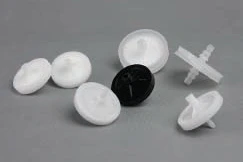
Select filters for laboratory fluid handling based on the liquid, volume and tubing connections.
Specify vessel configuration, surface treatment, cap ventilation and working volume for the culture method.
A grid supports colony counting. Confirm material, pore rating and incubation conditions against the test method.
Connect filtration and transfer steps while considering sample volume, sealing and aseptic handling.
For incubation and counting workflows. Specify diameter, depth, sterile status and packaging.
Confirm sample volume, rotor fit and permissible centrifugation conditions, as well as sealing and compatibility.
Match the pipette, volume range and method, including filter options, adsorption and packaging.
Select vessel and closure materials and sterile status for the sample and test, with consistent handling and storage.
Connect multiple filtration positions to a vacuum line. Review connections, parallel use and sterilization needs.
Match membrane packaging, diameter and clean-handling requirements to the laboratory workflow.
For method-specific prefiltration or testing. Confirm binders, thickness and sample compatibility.
Choose thickness, flow grade and ash content around the method. Different grades are not interchangeable.
Select media around the transfer and detection methods, including pre-wetting, binding and detection compatibility.
Evaluate membrane material for discs and filter assemblies against the actual fluid and assembly process.
Specify layer construction, thickness and conversion methods around particle loading and structural requirements.
Evaluate gas and venting requirements in the hydrophobic state. Liquid use requires a separate wetting assessment.
Confirm treatment stability, fluid compatibility and application limits for hydrophilically treated membranes.
Define surface properties, support layers and target use when evaluating materials and filter assemblies.
Consider wetting, adsorption and pH conditions for the sample or process fluid.
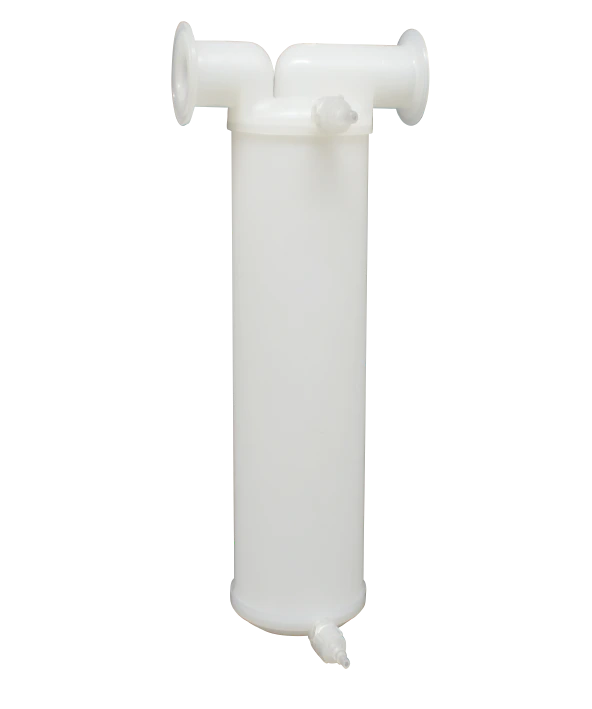
Start with liquid properties and filtration goals, then confirm membrane area, connections and operating conditions.
Integrated filters with PTFE media. Confirm wetting and validation requirements separately for gas and liquid use.
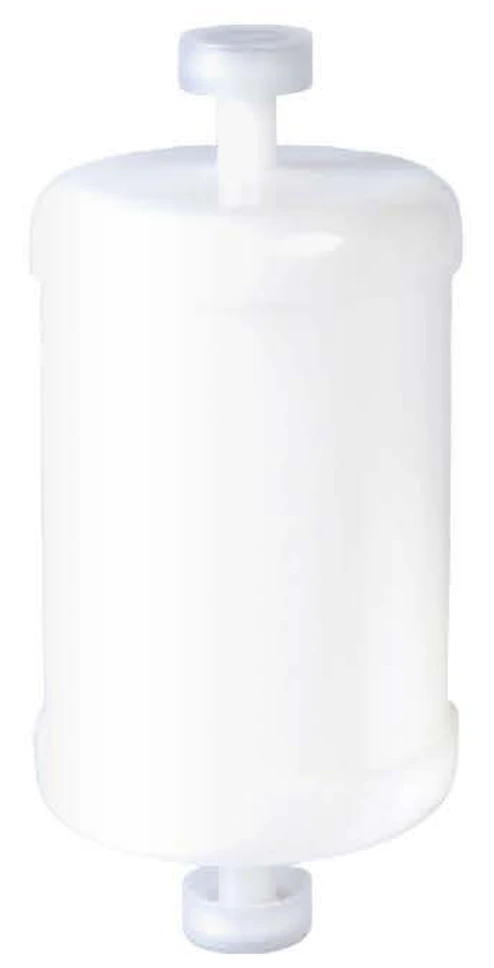
For particle control in small batches and process steps. Confirm loading requirements, flow and connections.
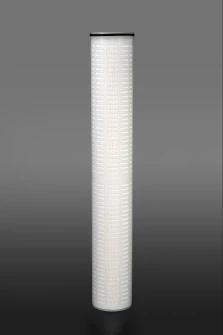
Coordinate area and system configuration for higher throughput. Compare flow using the same fluid and pressure-drop conditions.
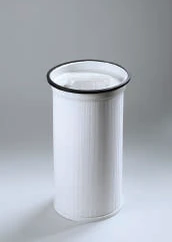
Balance media structure, pressure rise and replacement arrangements around particle loading and available space.
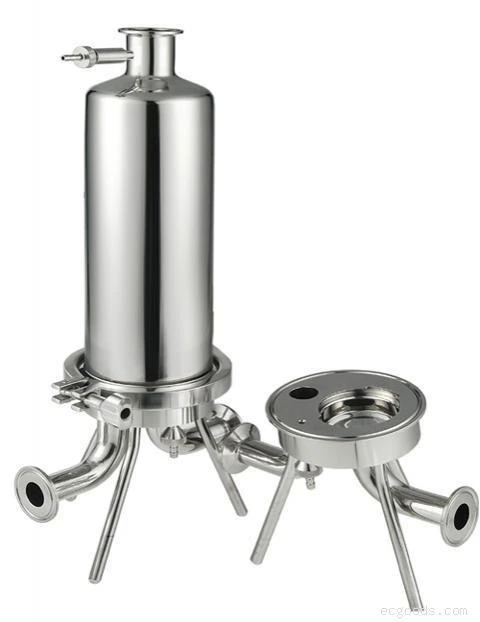
Match cartridge length, quantity and connections. Review wetted materials, sealing, venting and drainage.
Review bag seals, support baskets and operating conditions when configuring liquid bag filtration.
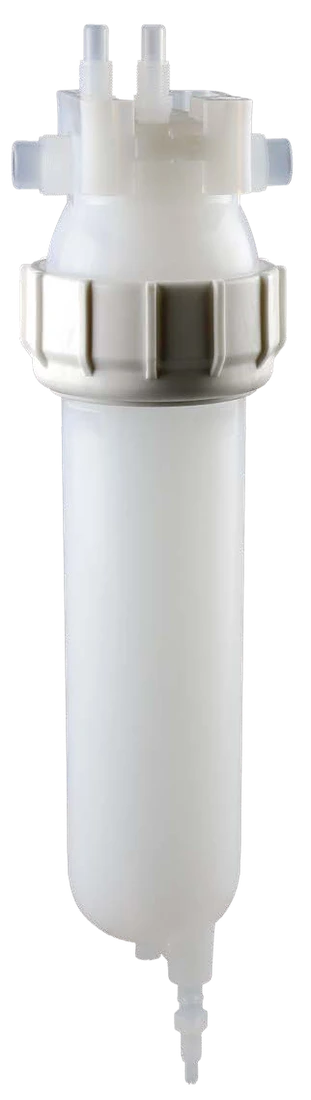
Check every wetted component for the chemical process. Temperature and pressure limits apply to the complete assembly.
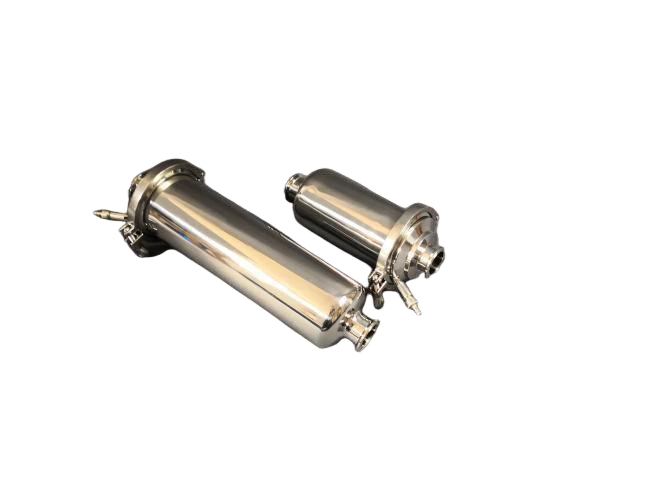
Specify gas composition, flow reference conditions, operating temperature and pressure, and installation requirements.
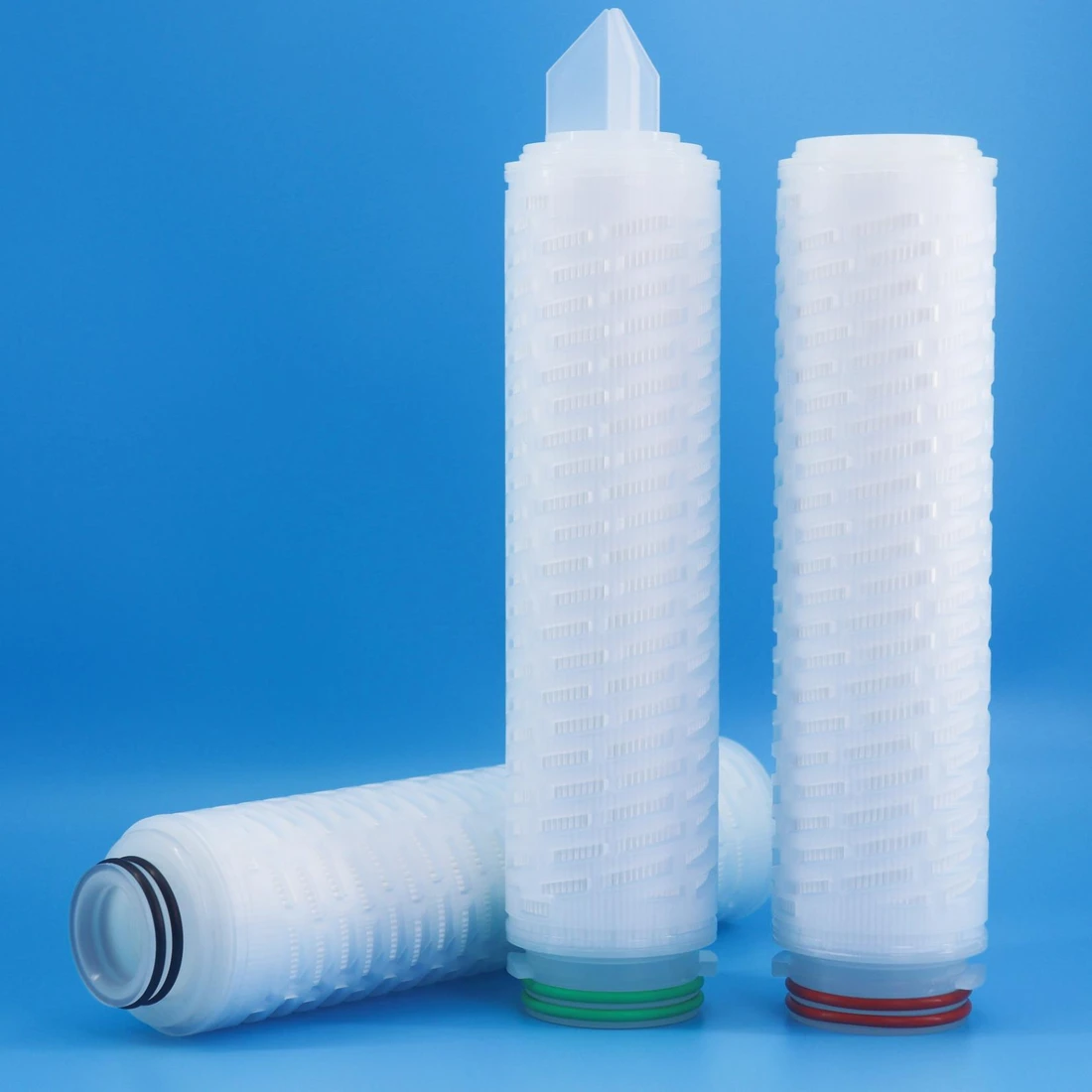
Polypropylene media for particle filtration. Select a configuration around the fluid and retention target.
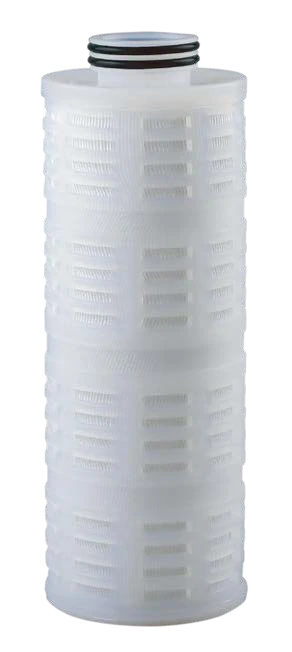
Evaluate membrane and construction for aqueous fluids, including adsorption and process validation.
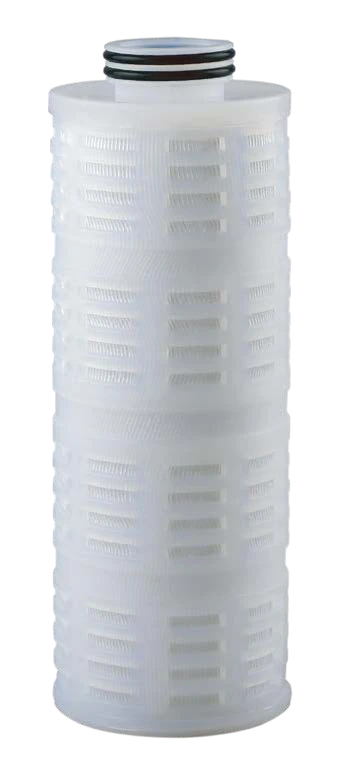
Hydrophobic and hydrophilic configurations require different handling. Confirm membrane state, components and cleaning procedures.
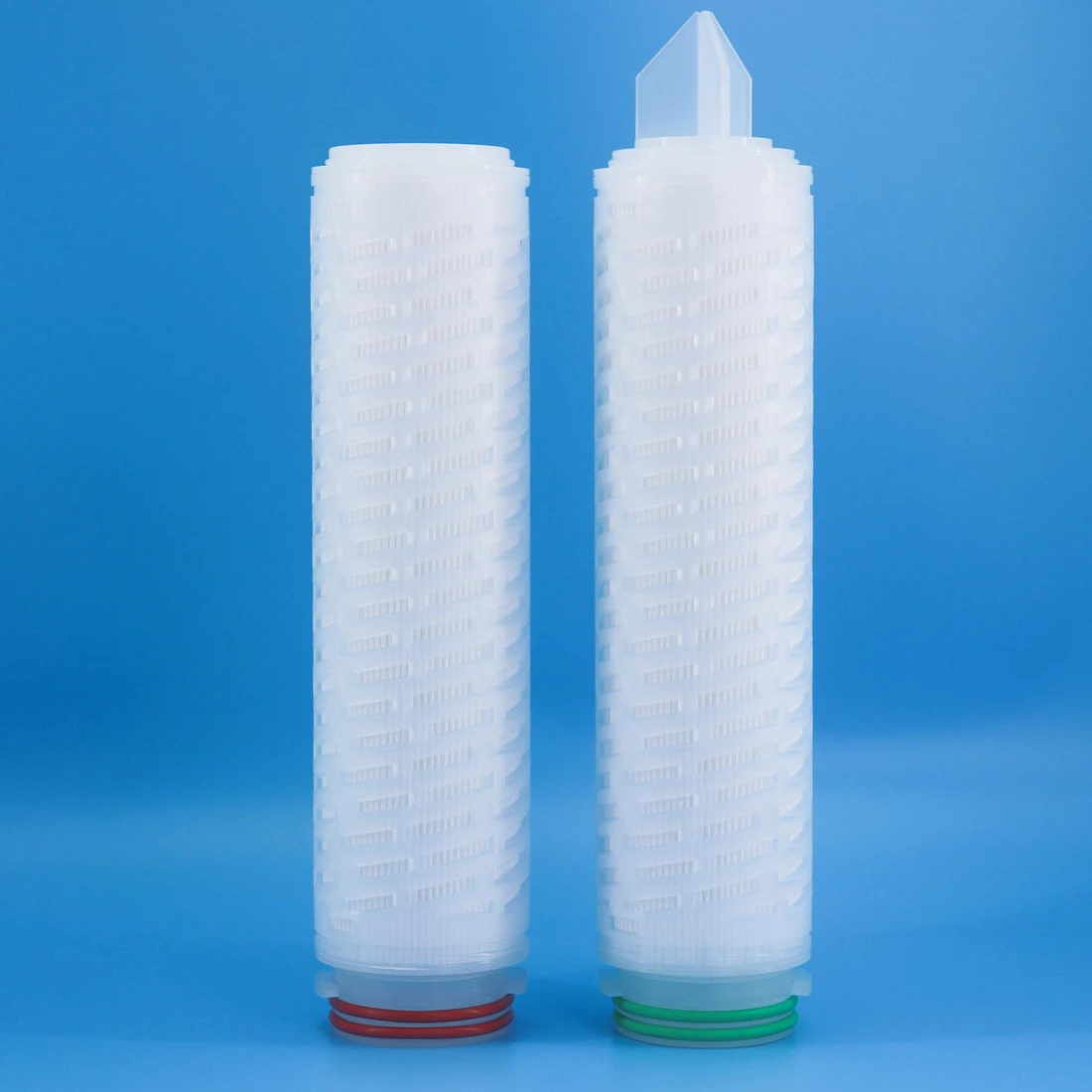
Review membrane material and the wetted flow path against fluid properties, adsorption and particle-control needs.
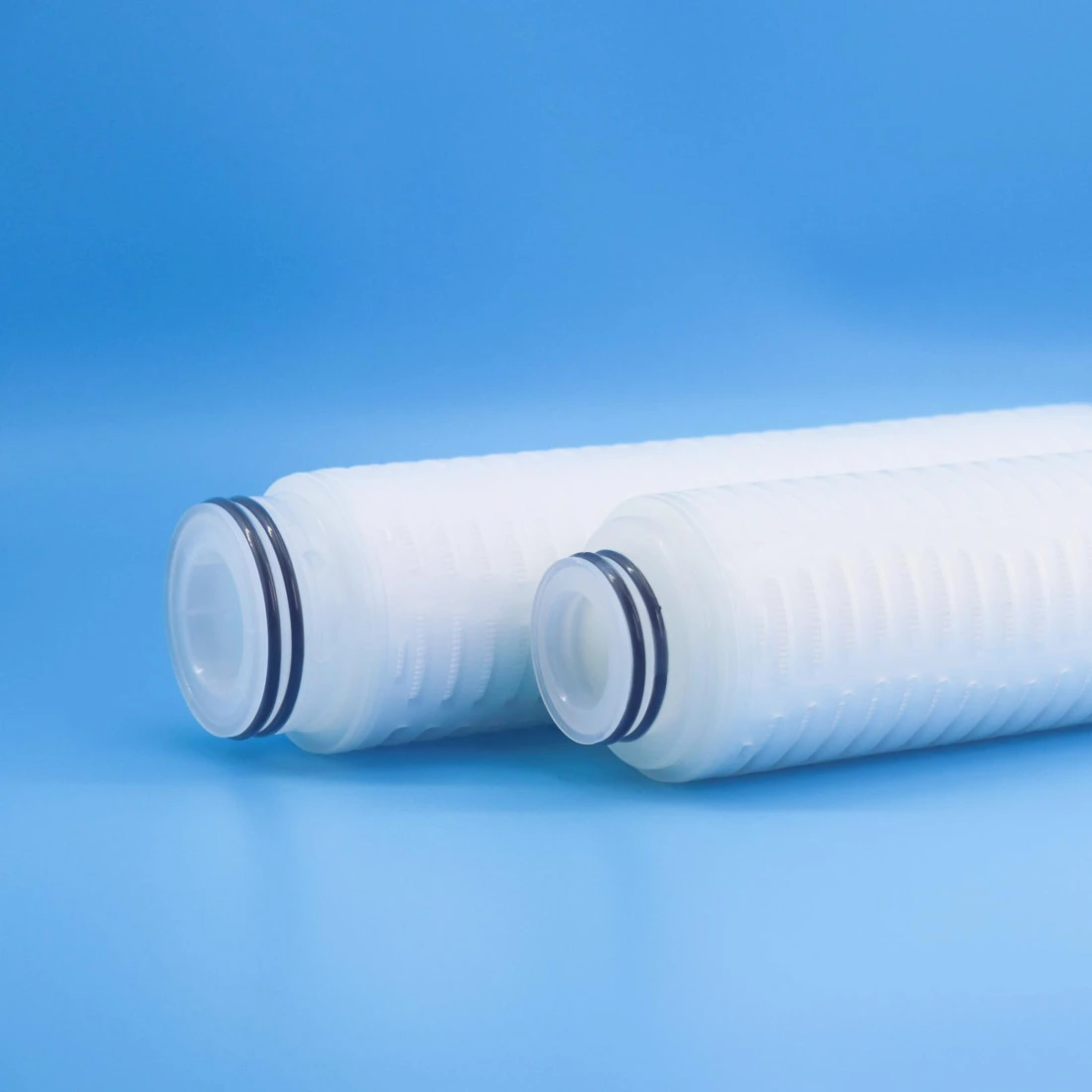
Consider surface properties and operating conditions together with structural and sealing materials.
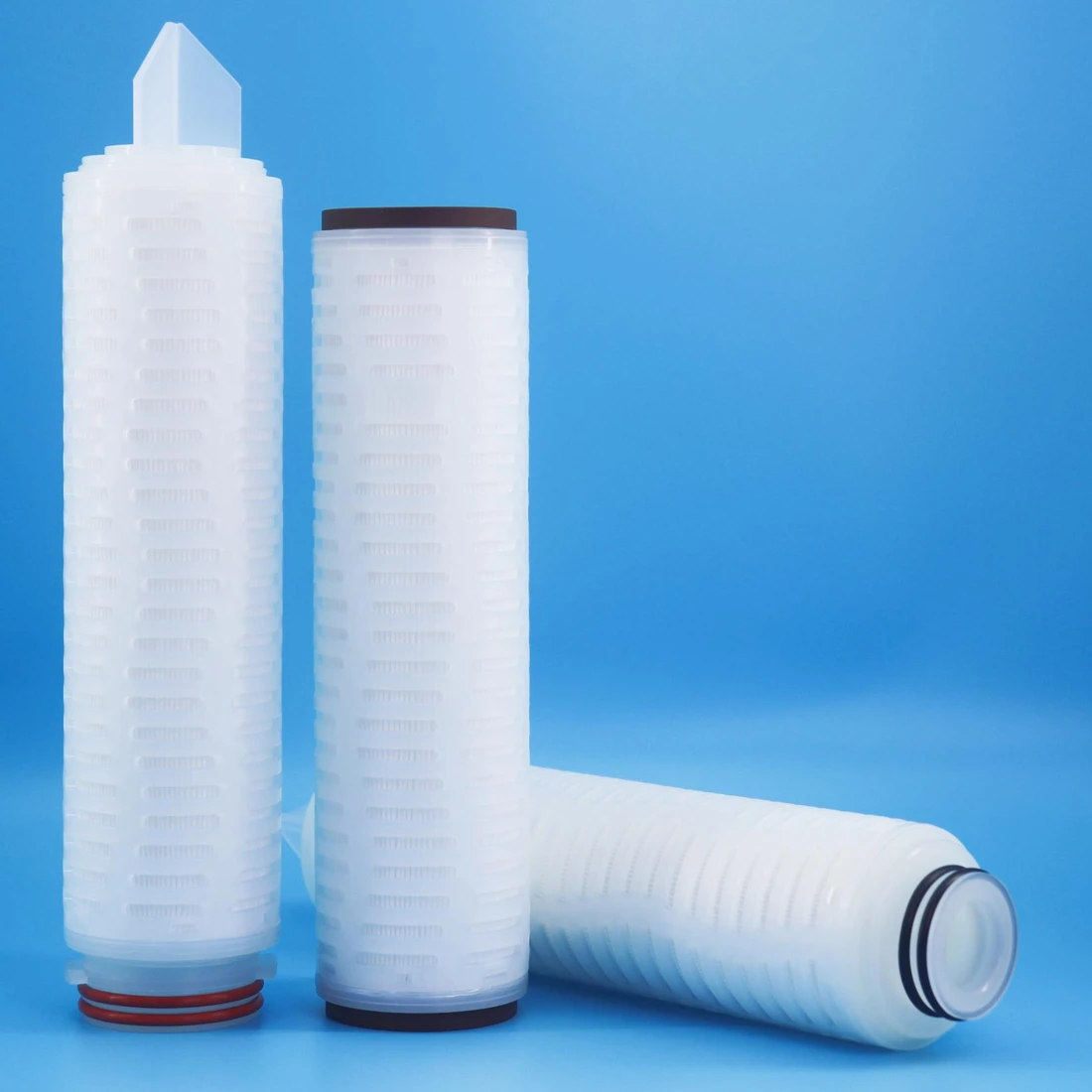
For process-specific particle control and pretreatment. Review media, binders and supporting components.
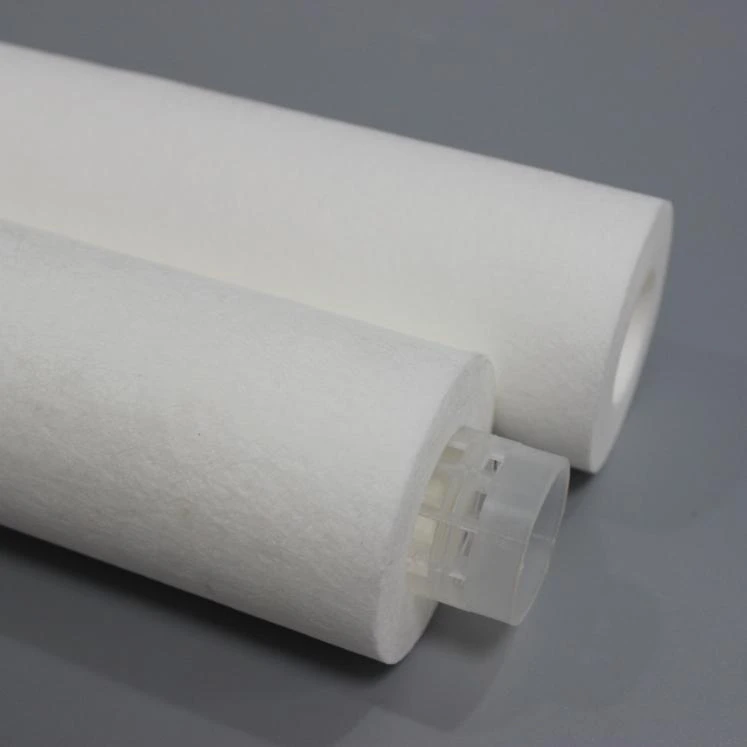
Fibrous media for particle capture. Evaluate media gradients, loading and changeout differential pressure.
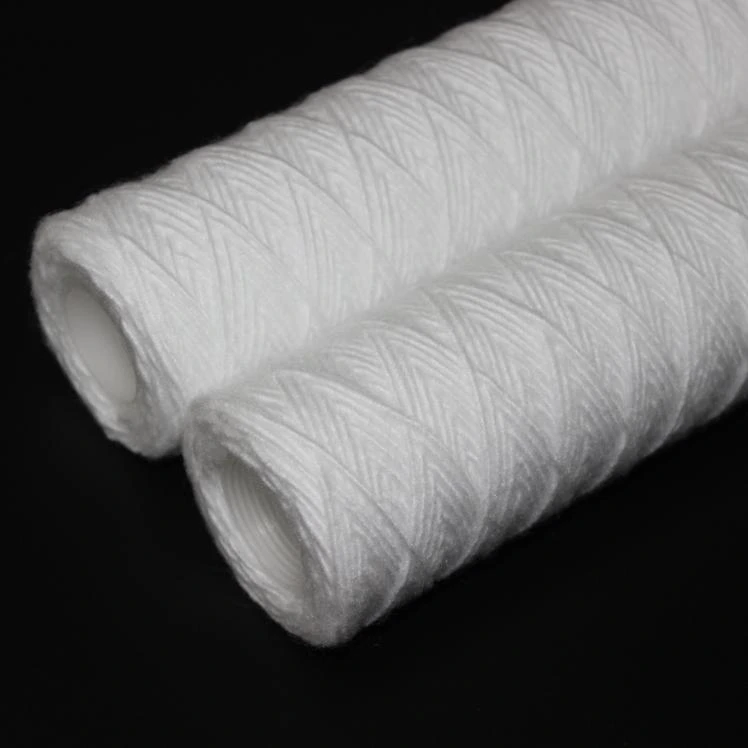
A wound-yarn filtration structure. Confirm yarn material, core construction and seals as a complete assembly.
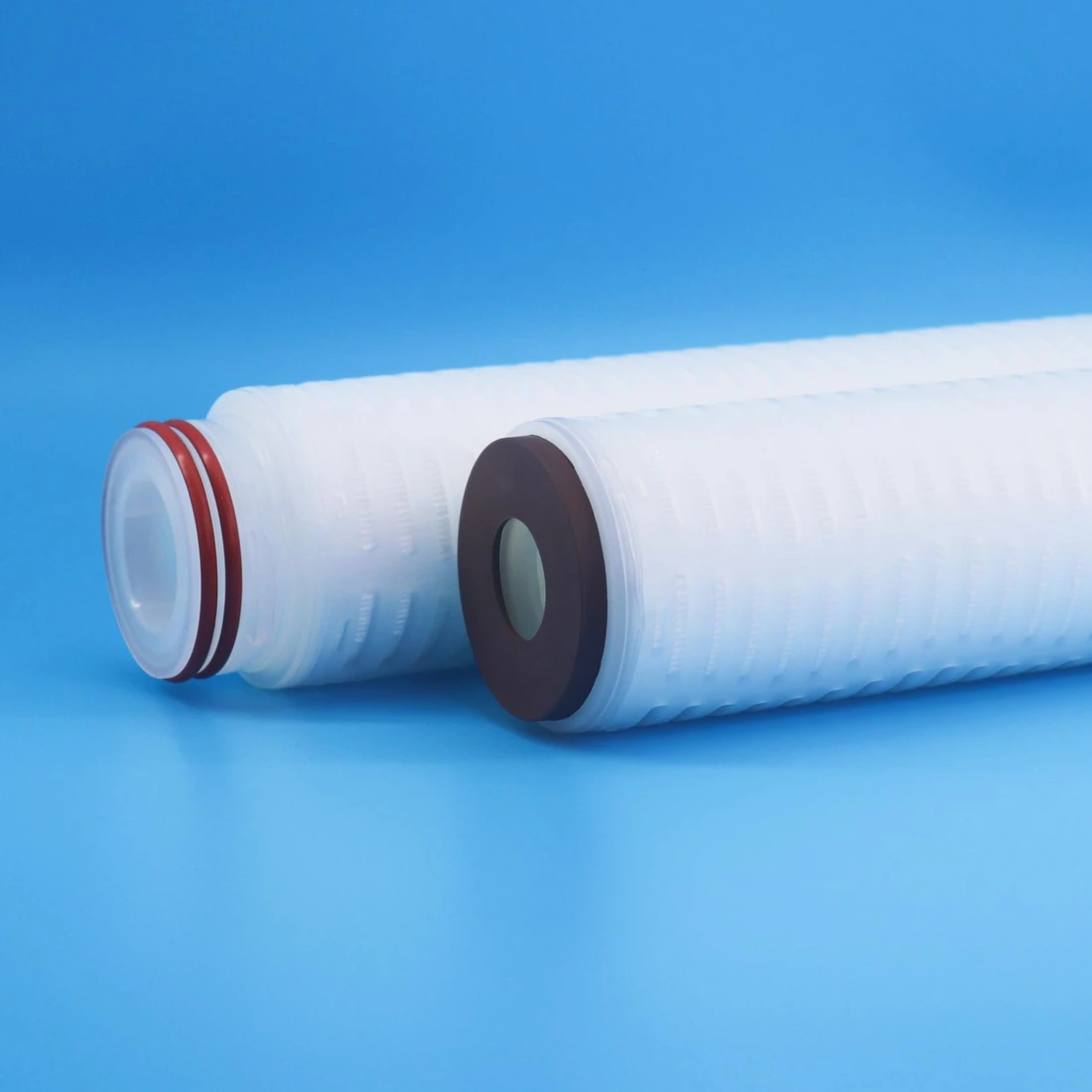
Define adsorption and particle-filtration goals separately, including contact time, release and throughput requirements.
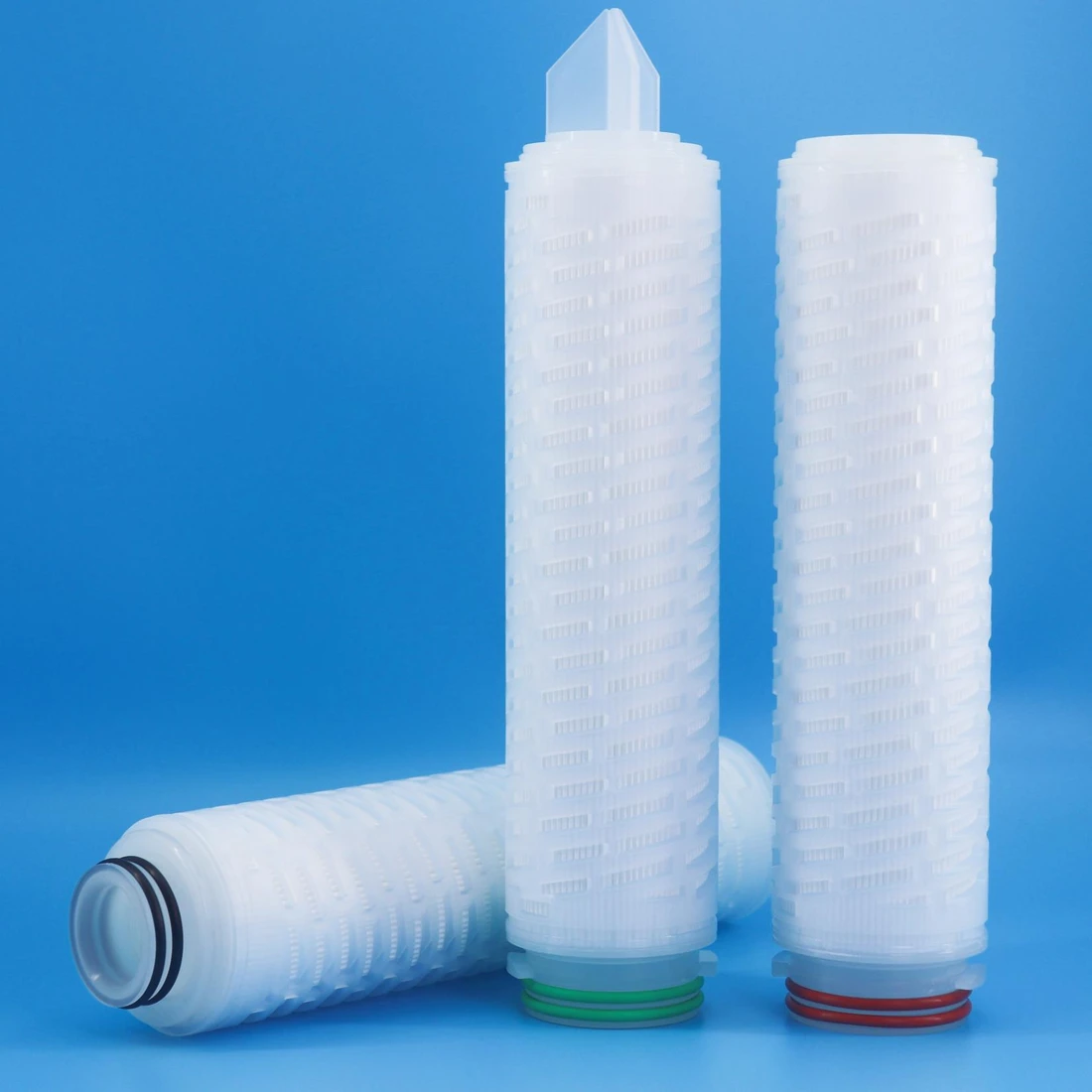
Evaluate agglomerate control alongside useful abrasive retention, rather than selecting by nominal rating alone.
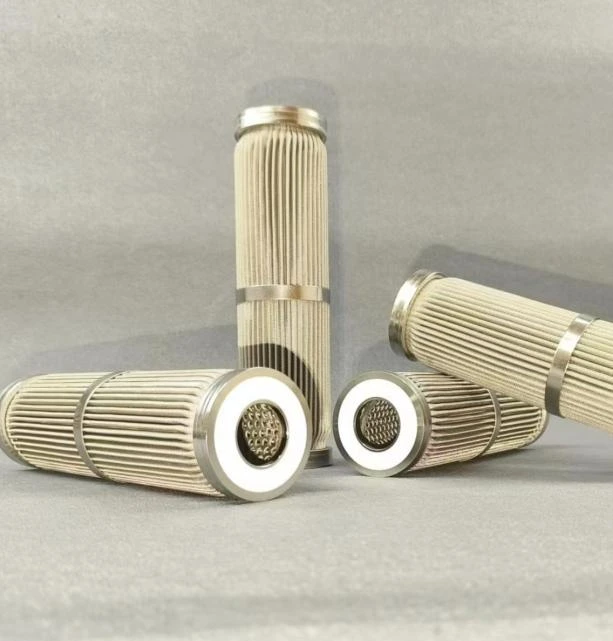
Select pleated metal media around the corrosive environment, differential pressure and cleaning method.
Confirm alloy, pore structure and complete-assembly conditions for sintered filtration media.
Assess titanium structures against the actual fluid and filtration conditions. Validate cleaning and reuse in practice.
Define operation and cleaning around feed quality, permeate targets and inside-out or outside-in configuration.
Match the module to sludge conditions, aeration and the membrane-bioreactor layout.
Evaluate flat-sheet configurations by module area, maintenance clearance and operating water quality.
Review membrane units, pretreatment, instrumentation, backwashing and chemical cleaning from feed to permeate.
No products match. Try another keyword or material.
This catalogue presents product types and selection pathways. Please contact us to confirm specific models, availability, specifications and technical documents.