
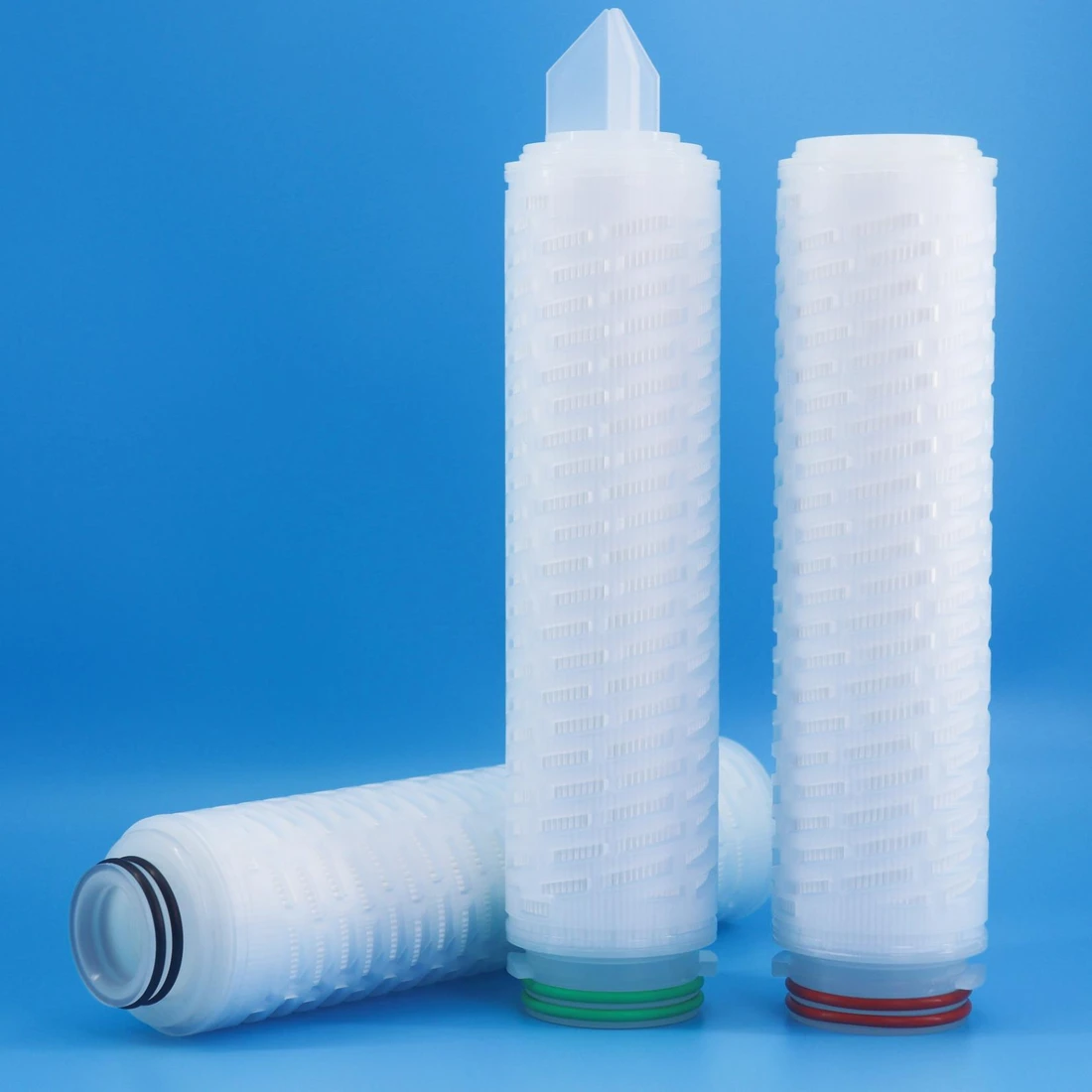
PPH
PPH polypropylene cartridges
All-PP particle-filtration series with configurable pore size, length and seal material.
Specifications & documents ↗FILTRATION / Pleated Cartridges
Polypropylene media for particle filtration. Select a configuration around the fluid and retention target.
Images and specifications refer to the indicated models. Contact us to confirm configuration and suitability.
A PP pleated cartridge folds polypropylene media and drainage supports into a larger usable area for particle control or upstream protection. Pleating increases area within an installation envelope, while actual retention still depends on media structure and rating methodology. Different PP series can prioritise capacity, flow or finer particle control; polymer name and nominal rating alone do not establish equivalence.
| Selection factor | What to compare |
|---|---|
| Rating basis | Distinguish nominal ratings, absolute claims and measured efficiency under stated tests. |
| Media architecture | Single and multilayer designs distribute loading differently and should match the particle distribution. |
| Complete configuration | Ends, length, support and seals determine installation and operating limits. |
| Category | Pleated Cartridges |
|---|---|
| Material options | PP |
| Filtration objective | Define what to remove and what to retain |
| Rating / Dimensions | Confirm combinations against controlled model specifications |
| Flow / Temperature / Pressure | Specify normal and limiting operating conditions |
| Connections / Seals | Confirm installation interfaces and wetted materials |
| Cleaning / Validation | Confirm the service cycle and acceptance criteria |
These are selection inputs, not verified performance claims for a specific model.
Use the worksheet to collect your operating conditions. Contact us for controlled datasheets, dimensional drawings or validation documents for a specific model.
Product selection worksheet · TXT ↓Request technical documents ↗PRODUCT SERIES
Find a product series around your process requirements.
All-PP particle-filtration series with configurable pore size, length and seal material.
Specifications & documents ↗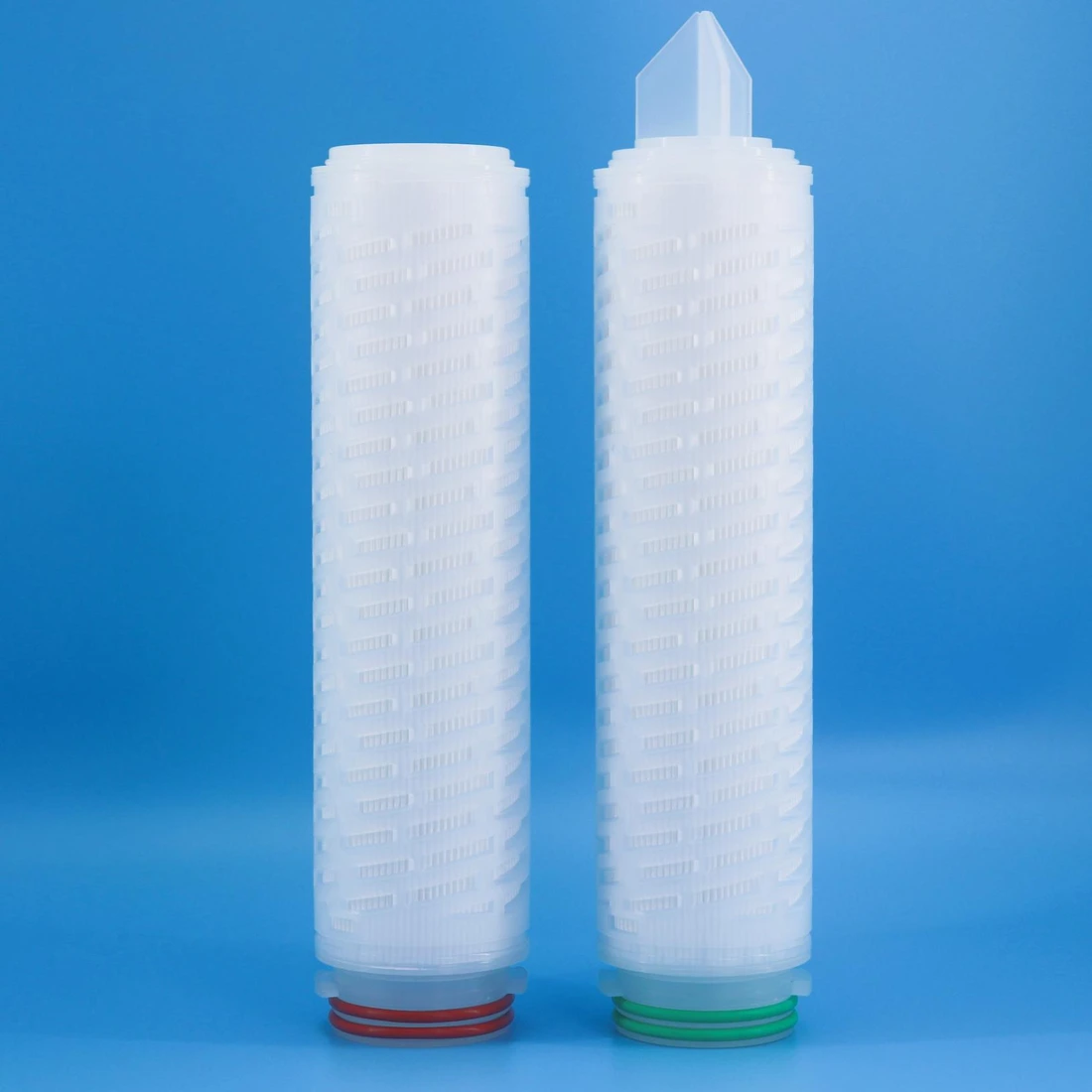
All-PP particle-filtration series with configurable pore size, length and seal material.
Specifications & documents ↗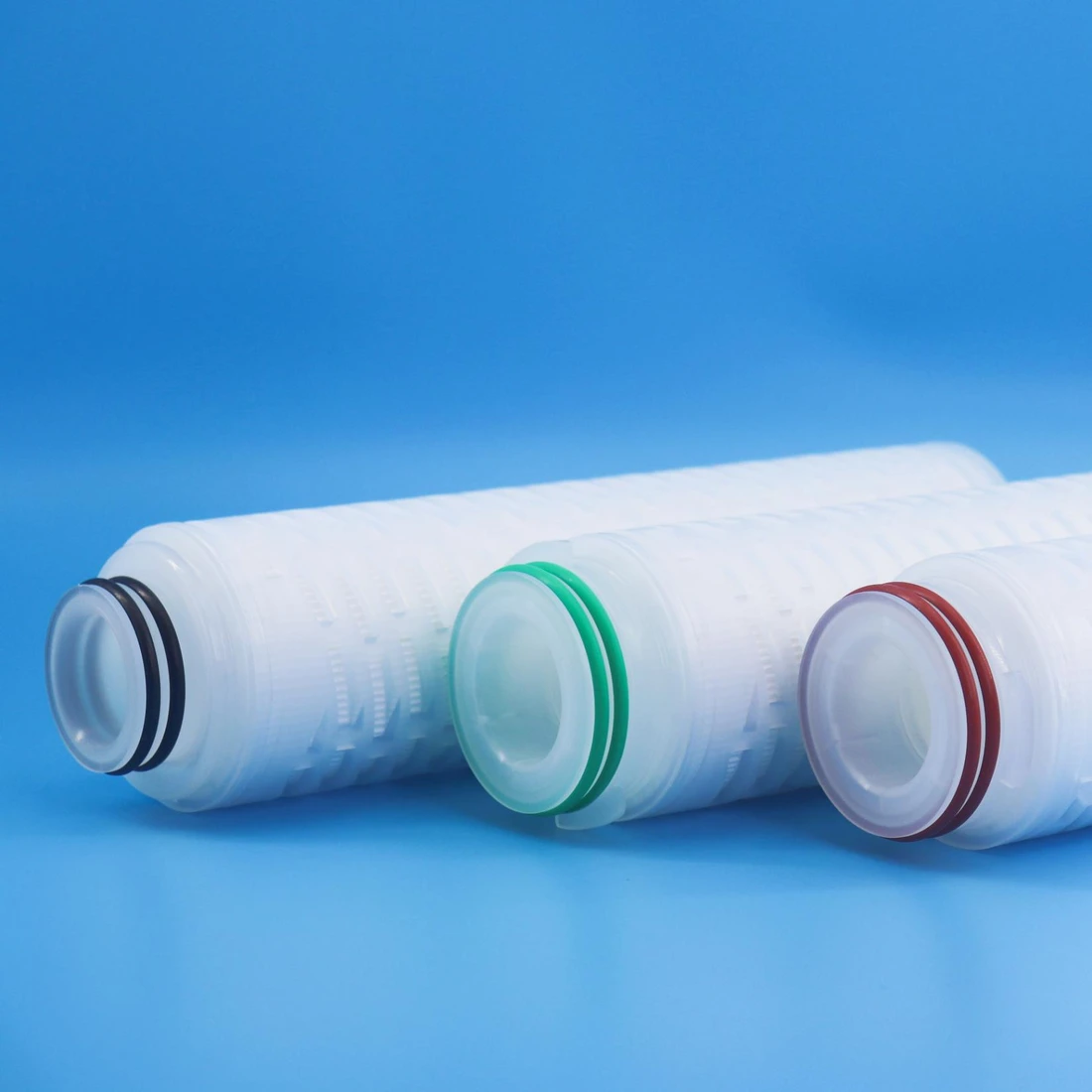
All-PP particle-filtration series with configurable pore size, length and seal material.
Specifications & documents ↗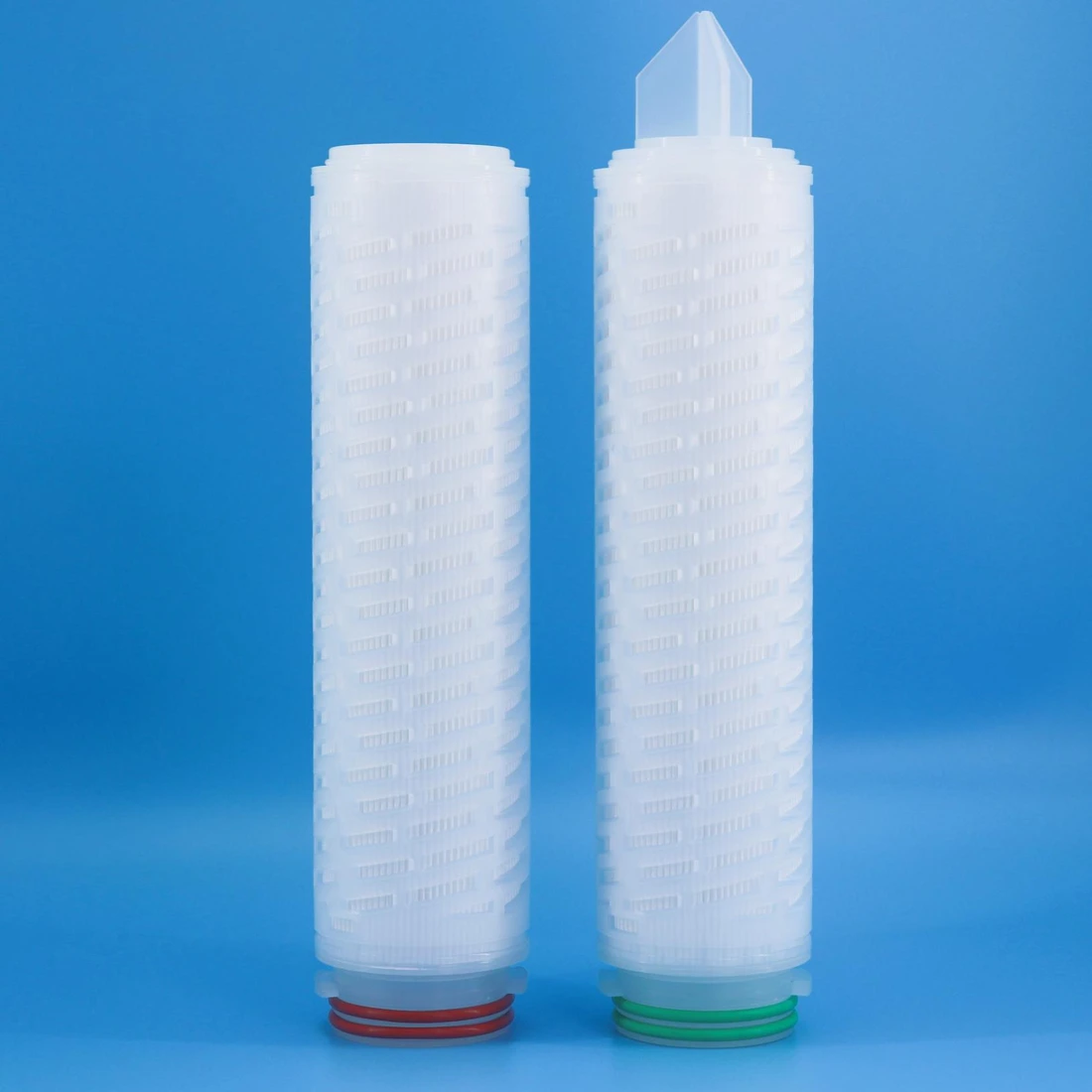
PP filtration series for food, beverage and process fluids, configured for the particle load and filtration objective.
Specifications & documents ↗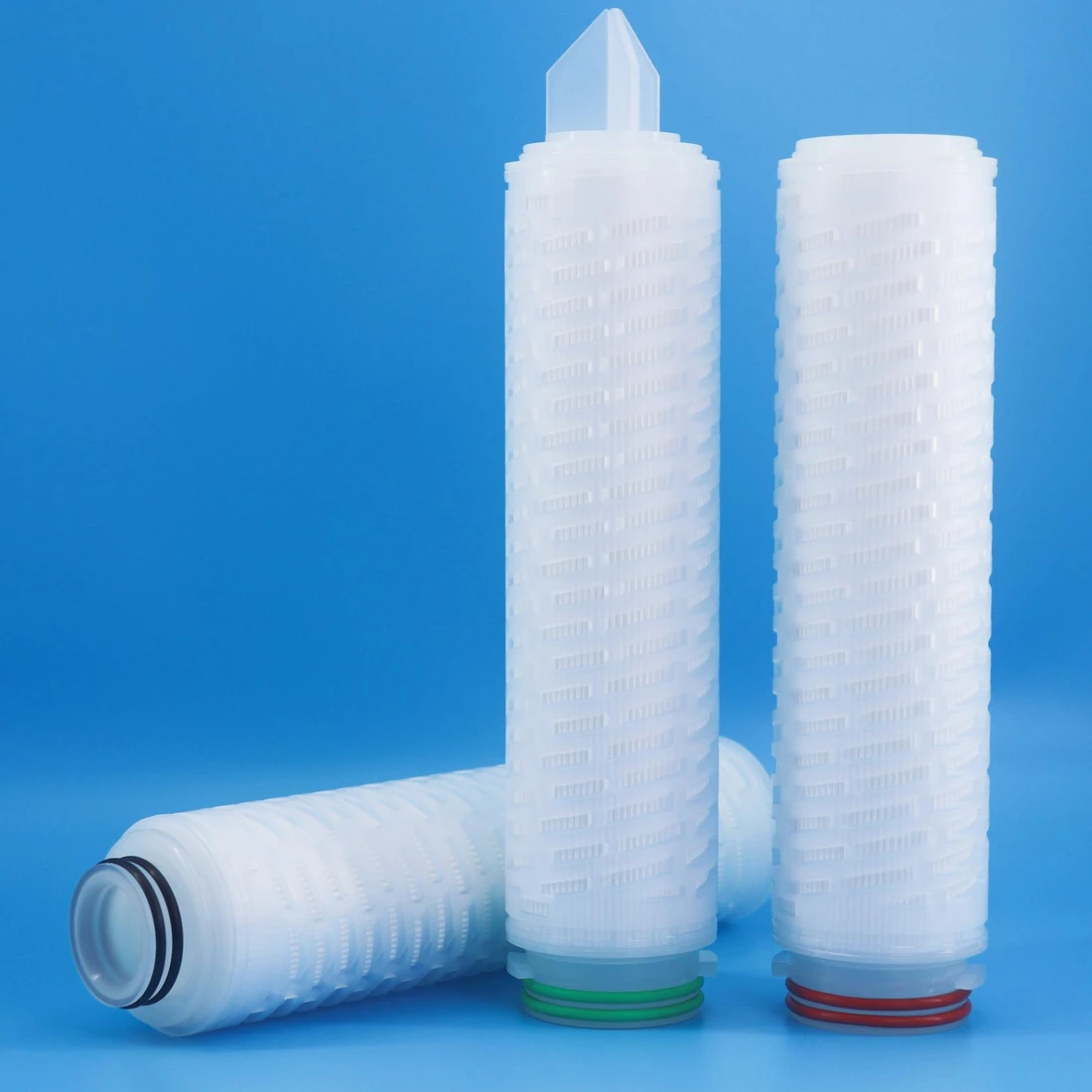
PP filtration series for food, beverage and process fluids, configured for the particle load and filtration objective.
Specifications & documents ↗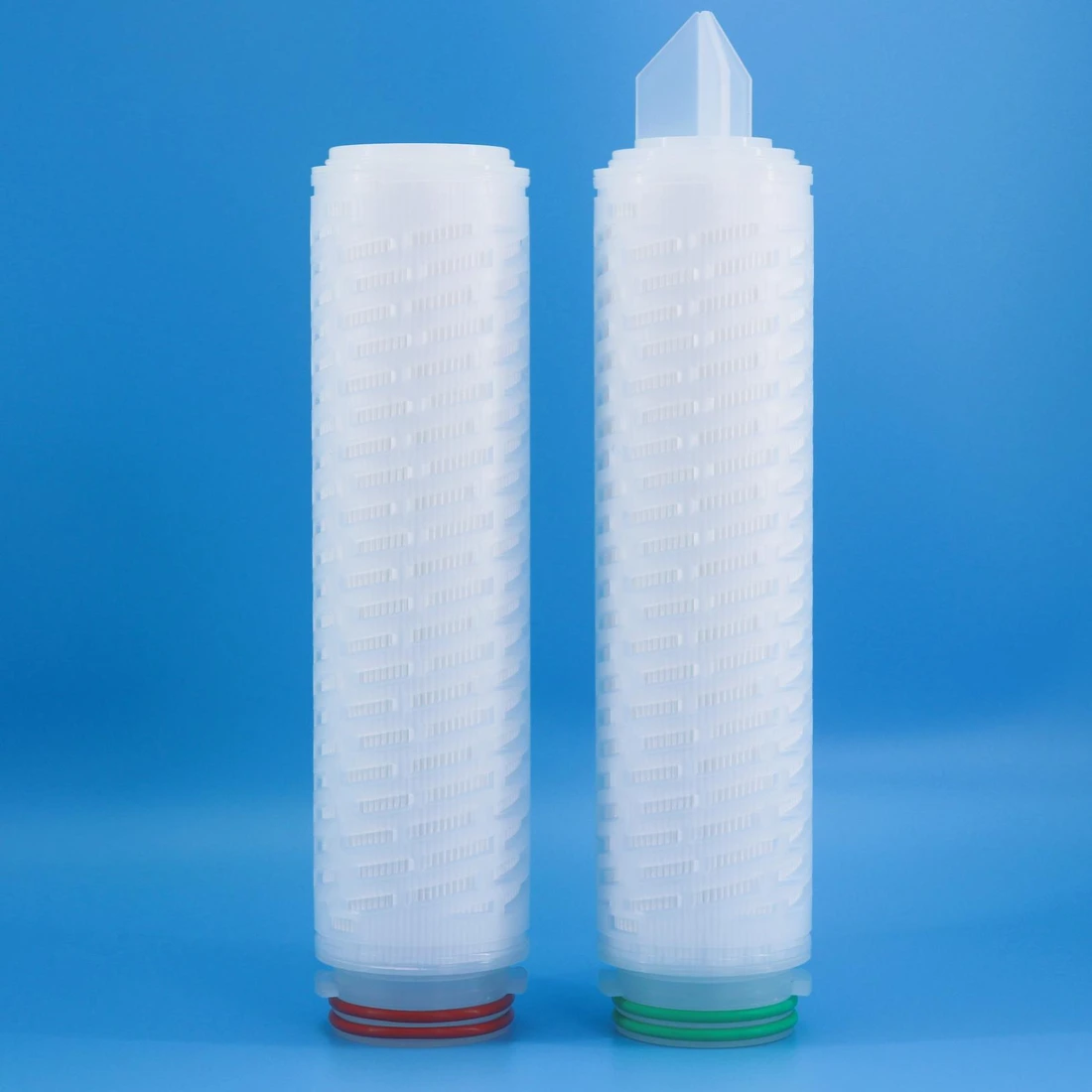
PP filtration series for food, beverage and process fluids, configured for the particle load and filtration objective.
Specifications & documents ↗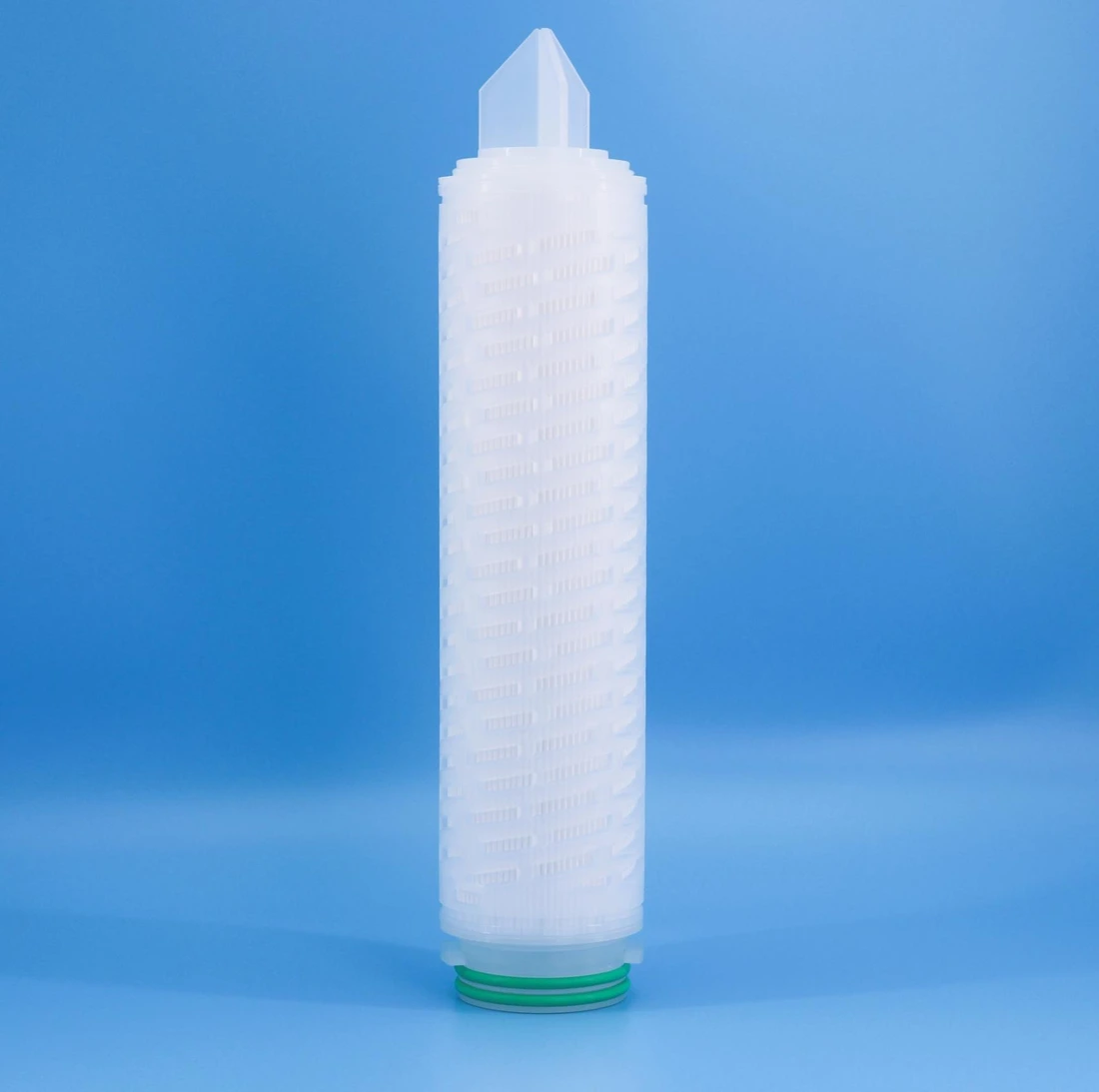
Multilayer nanofiber filtration structure for particle control in display processes.
Specifications & documents ↗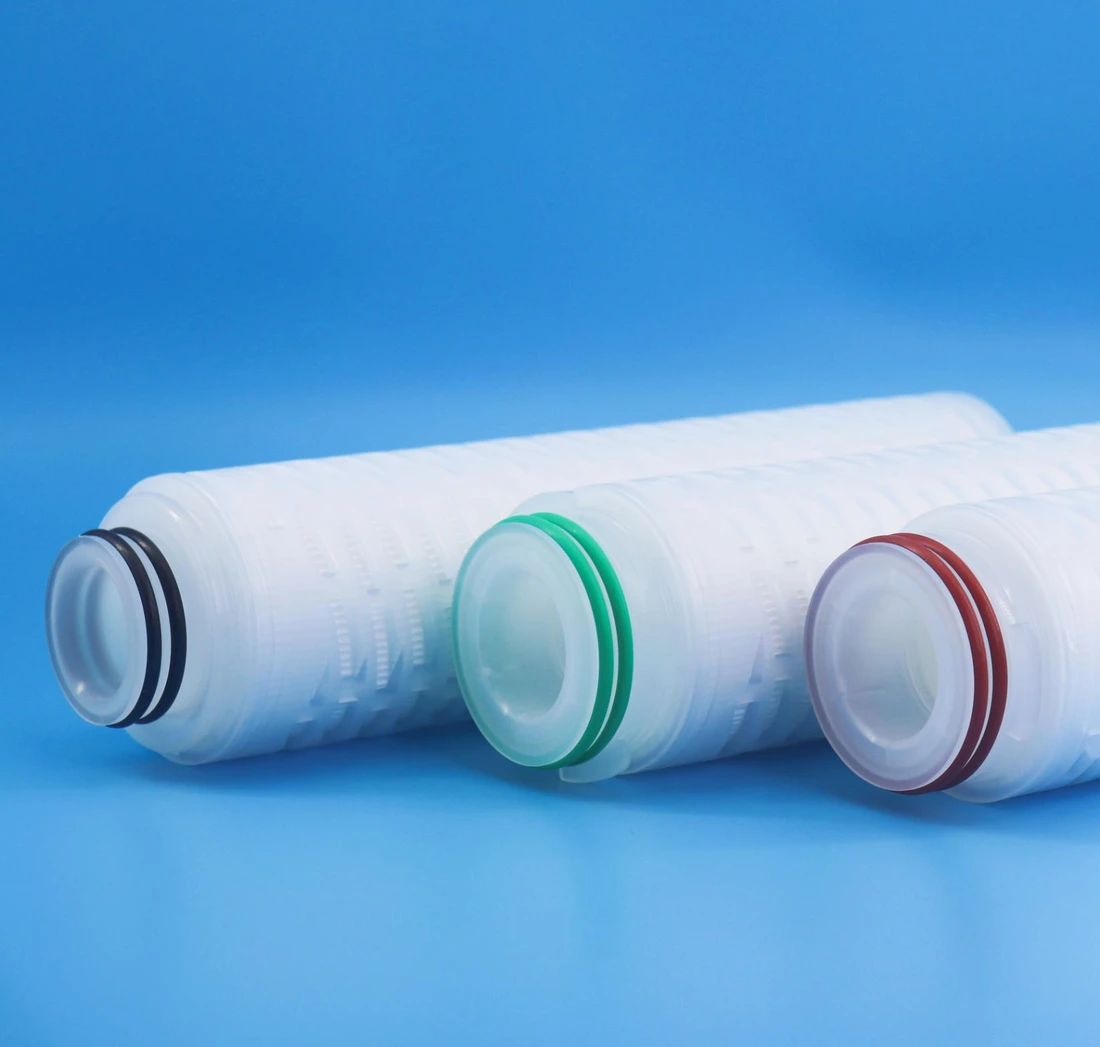
Multilayer PP nanofiber structure for particle and colloid filtration in display photoresist processes.
Specifications & documents ↗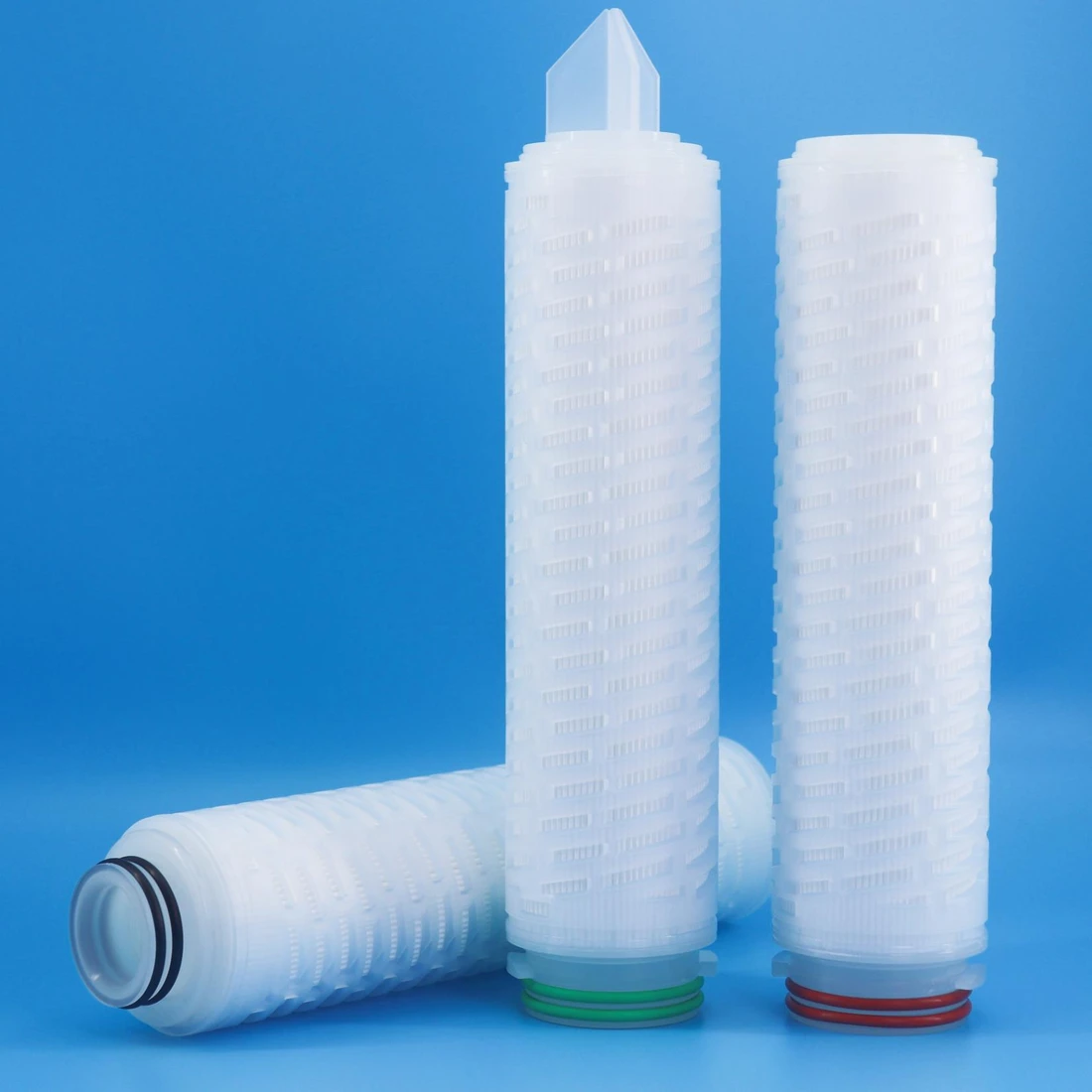
PP nanofiber filtration series for particle control in electronic chemicals and process water.
Specifications & documents ↗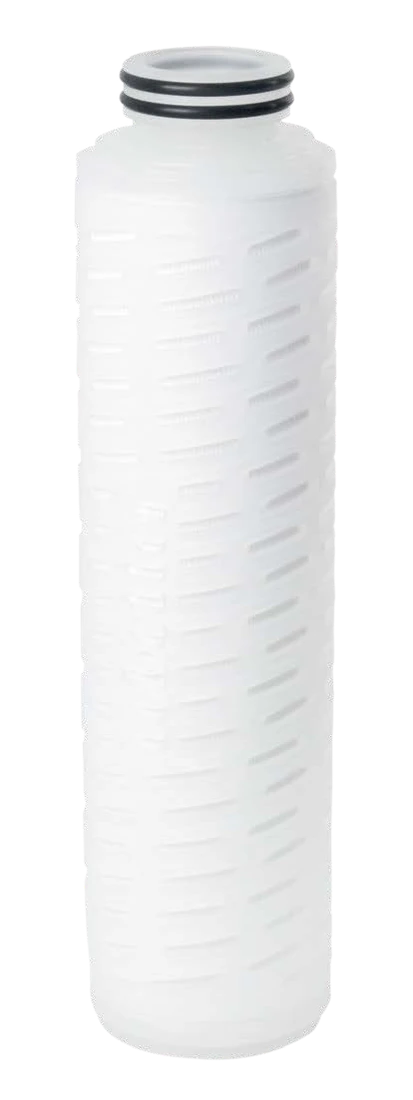
Pleated PP media for higher-solids CMP slurries or slurries prone to agglomeration.
Specifications & documents ↗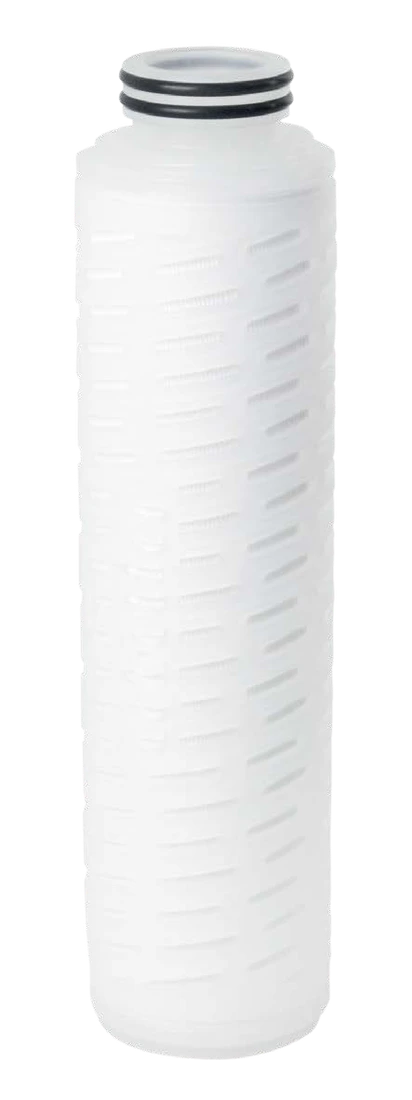
Outer pleated PP layers and inner graded rolled PP media combine accessible surface area with large-particle capture.
Specifications & documents ↗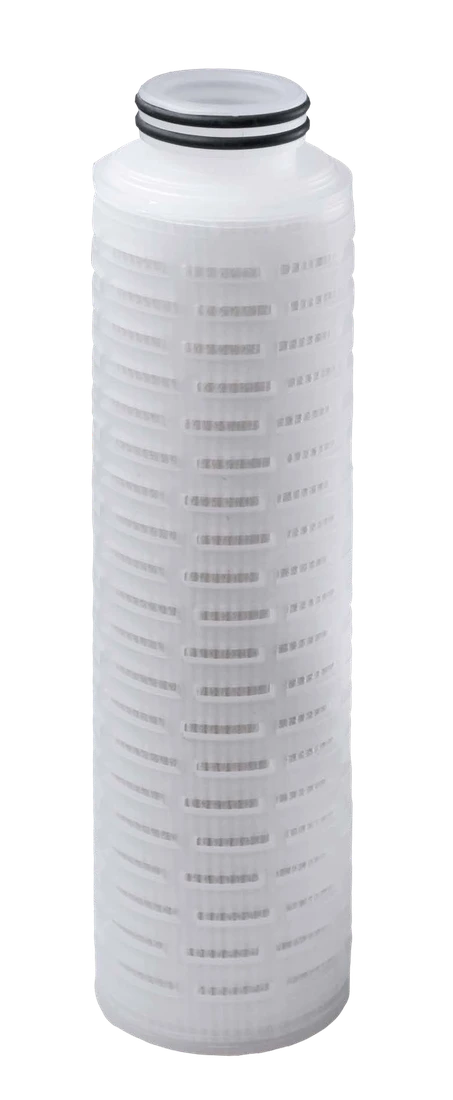
All-PP cartridges for prefiltration of acids, bases, organic solvents and process water, with thermally bonded construction.
Specifications & documents ↗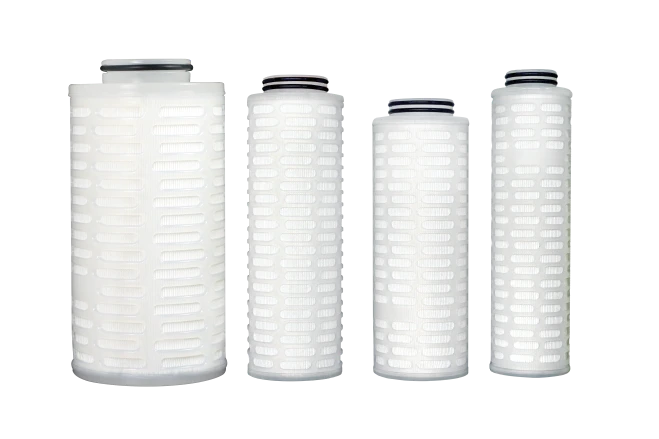
Multilayer PP media for gels, agglomerates and viscous liquids; PP3N adds a nanomembrane layer.
Specifications & documents ↗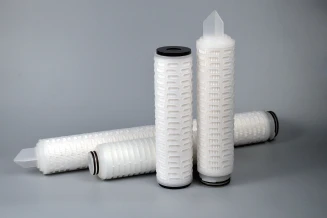
All-PP construction and multilayer pleated media for particle and impurity control in polishing slurry.
Specifications & documents ↗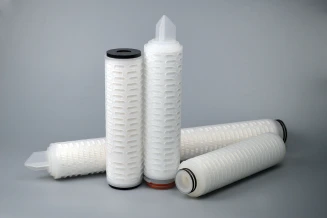
PP membranes with PP drainage layers for particle-control duties in electroplating processes.
Specifications & documents ↗Seat seals correctly, complete application-appropriate rinsing and establish a baseline.
Track temperature, flow and pressure difference so viscosity changes are not misread as damage.
Use downstream quality and endpoint pressure rather than colour alone.
Different structures suit different loads; compare quality and throughput in the same fluid.
Materials and processing can still influence background, requiring appropriate rinse and analytical evidence.
RELATED PRODUCTS
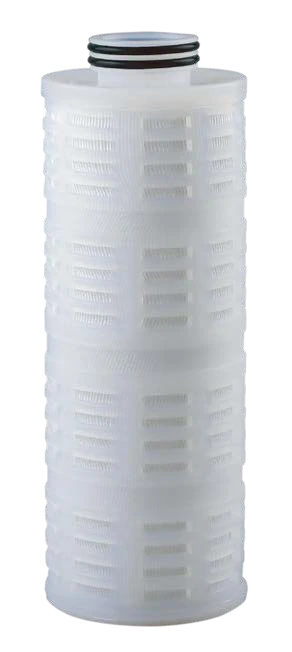
Evaluate membrane and construction for aqueous fluids, including adsorption and process validation.
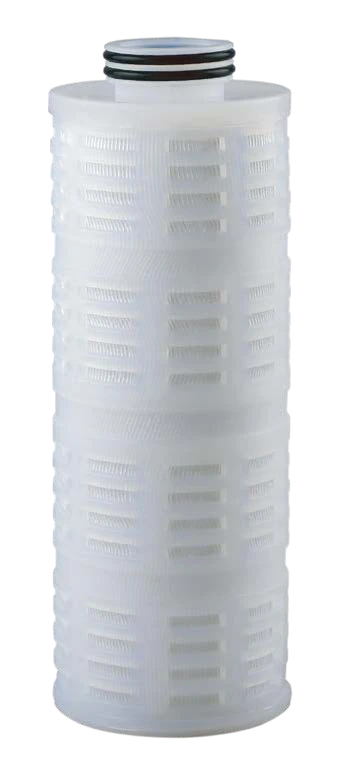
Hydrophobic and hydrophilic configurations require different handling. Confirm membrane state, components and cleaning procedures.
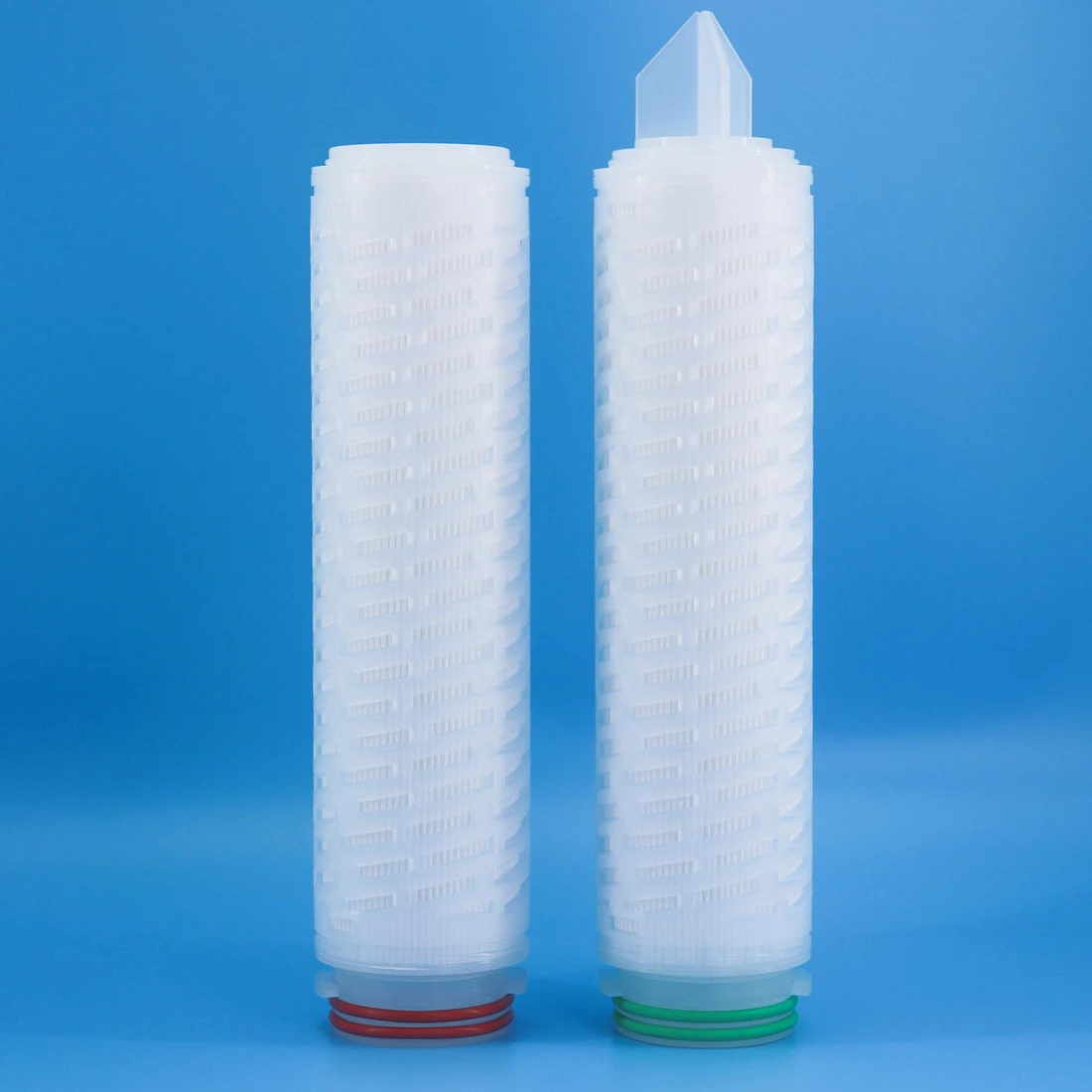
Review membrane material and the wetted flow path against fluid properties, adsorption and particle-control needs.