
RPL
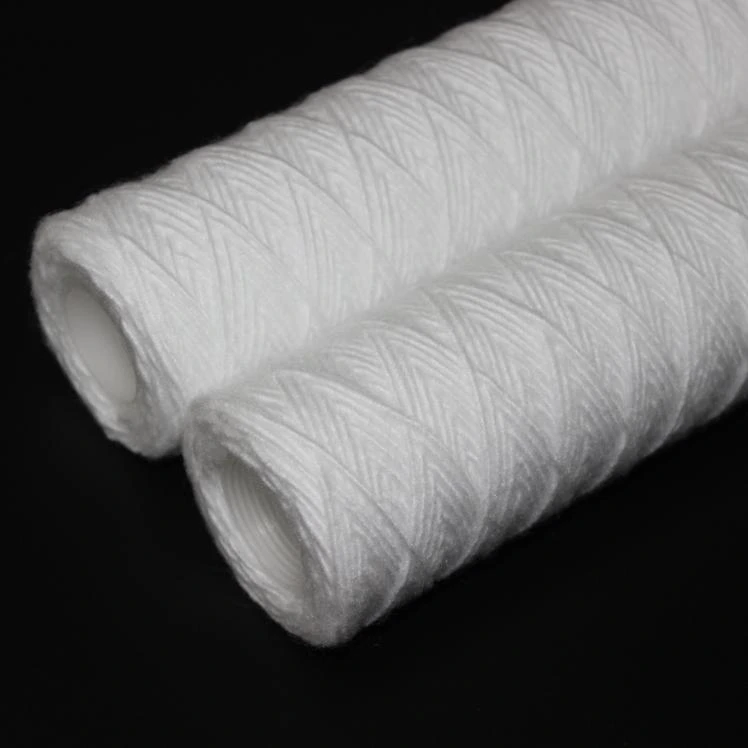
RPL wound depth cartridges
Yarn wound around a support core forms a depth structure, with PP, cotton or glass-fiber media selected for the fluid.
Specifications & documents ↗FILTRATION / Depth Cartridges
A wound-yarn filtration structure. Confirm yarn material, core construction and seals as a complete assembly.
Images and specifications refer to the indicated models. Contact us to confirm configuration and suitability.
A string-wound cartridge wraps yarn around a perforated core to create intersecting passages with depth-capture behaviour. Yarn, winding density and core material jointly influence service limits and retention. String winding should be distinguished from other wrapped constructions, such as thermally bonded bicomponent media; the actual yarn-and-core design needs to be identified.
| Selection factor | What to compare |
|---|---|
| Yarn and core | PP or other yarns with polymer or metal cores have different chemical and thermal limits. |
| Winding pattern | Density and passage distribution influence resistance and capture, interpreted with the rating method. |
| End sealing | Length, end-face condition and compression determine whether liquid can bypass the media. |
| Category | Depth Cartridges |
|---|---|
| Material options | Yarn / core dependent |
| Filtration objective | Define what to remove and what to retain |
| Rating / Dimensions | Confirm combinations against controlled model specifications |
| Flow / Temperature / Pressure | Specify normal and limiting operating conditions |
| Connections / Seals | Confirm installation interfaces and wetted materials |
| Cleaning / Validation | Confirm the service cycle and acceptance criteria |
These are selection inputs, not verified performance claims for a specific model.
Use the worksheet to collect your operating conditions. Contact us for controlled datasheets, dimensional drawings or validation documents for a specific model.
Product selection worksheet · TXT ↓Request technical documents ↗PRODUCT SERIES
Find a product series around your process requirements.
Yarn wound around a support core forms a depth structure, with PP, cotton or glass-fiber media selected for the fluid.
Specifications & documents ↗Check the core and seat the ends correctly rather than relying on outer-diameter fit.
Track pressure and avoid sudden flow changes or excessive compaction.
Inspect damaged yarn and deformation at changeout; a clean-looking outer surface does not prove restored performance.
No. Both yarn and core need identification rather than inference from appearance.
Internal contamination and altered passage structure may remain, so rinsing does not establish equivalent retention.
RELATED PRODUCTS
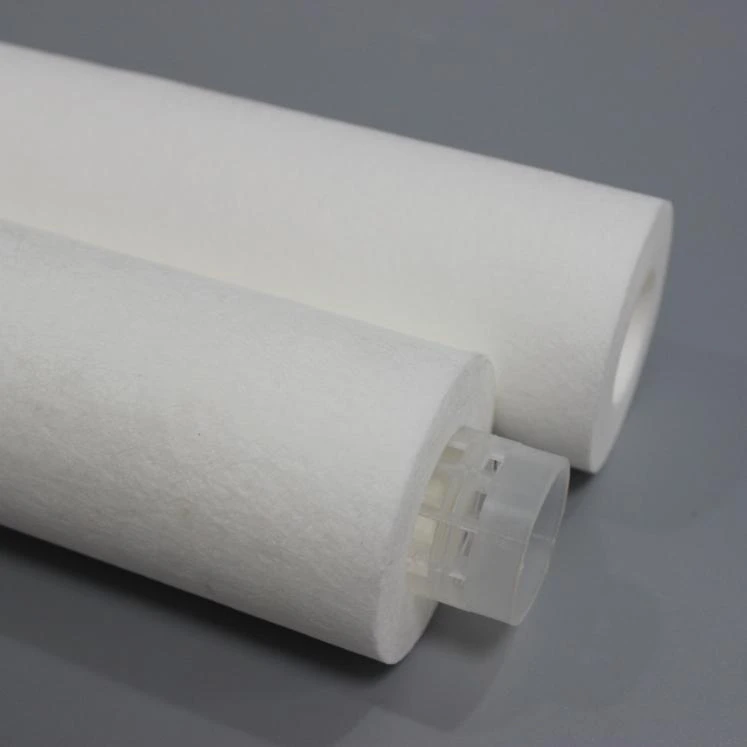
Fibrous media for particle capture. Evaluate media gradients, loading and changeout differential pressure.
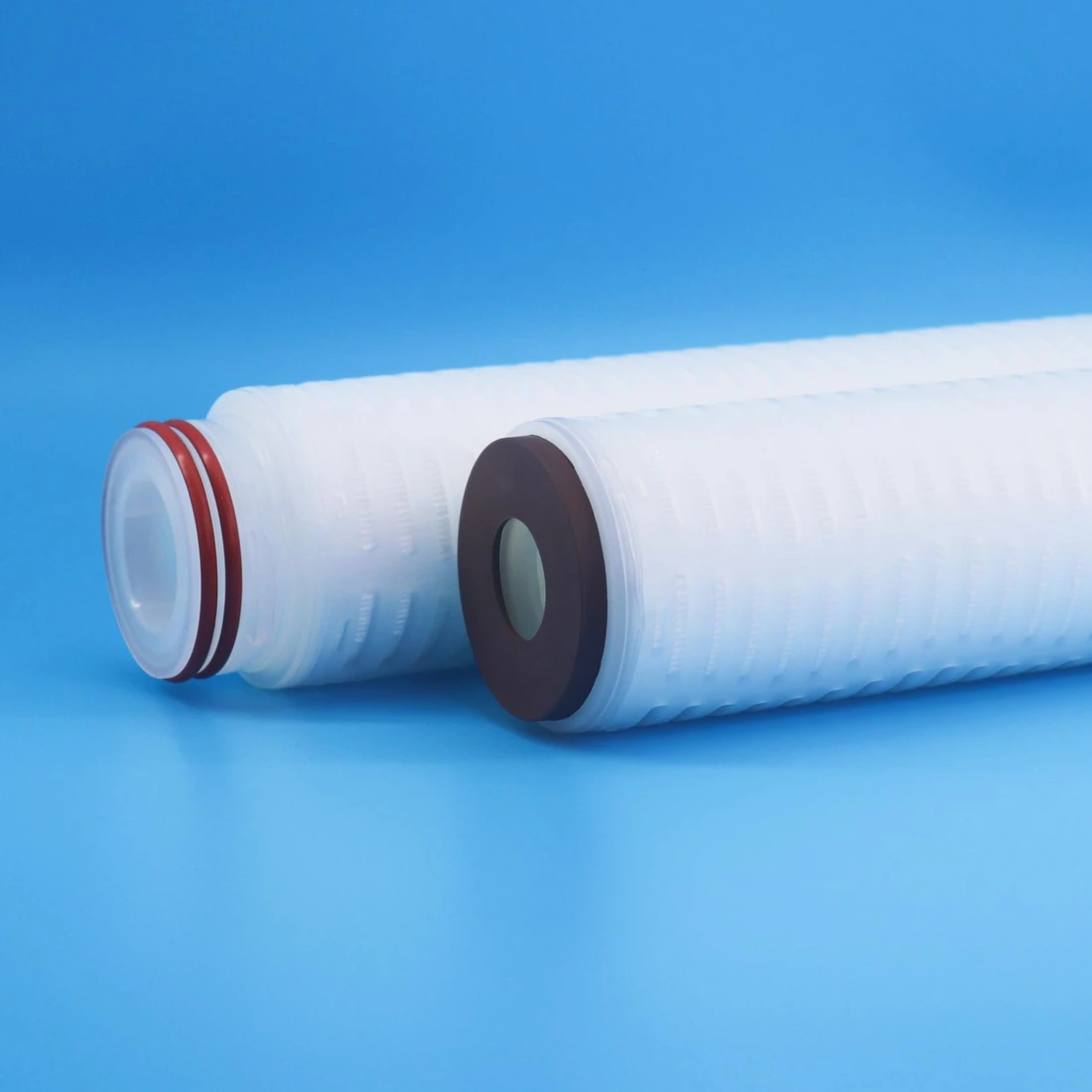
Define adsorption and particle-filtration goals separately, including contact time, release and throughput requirements.
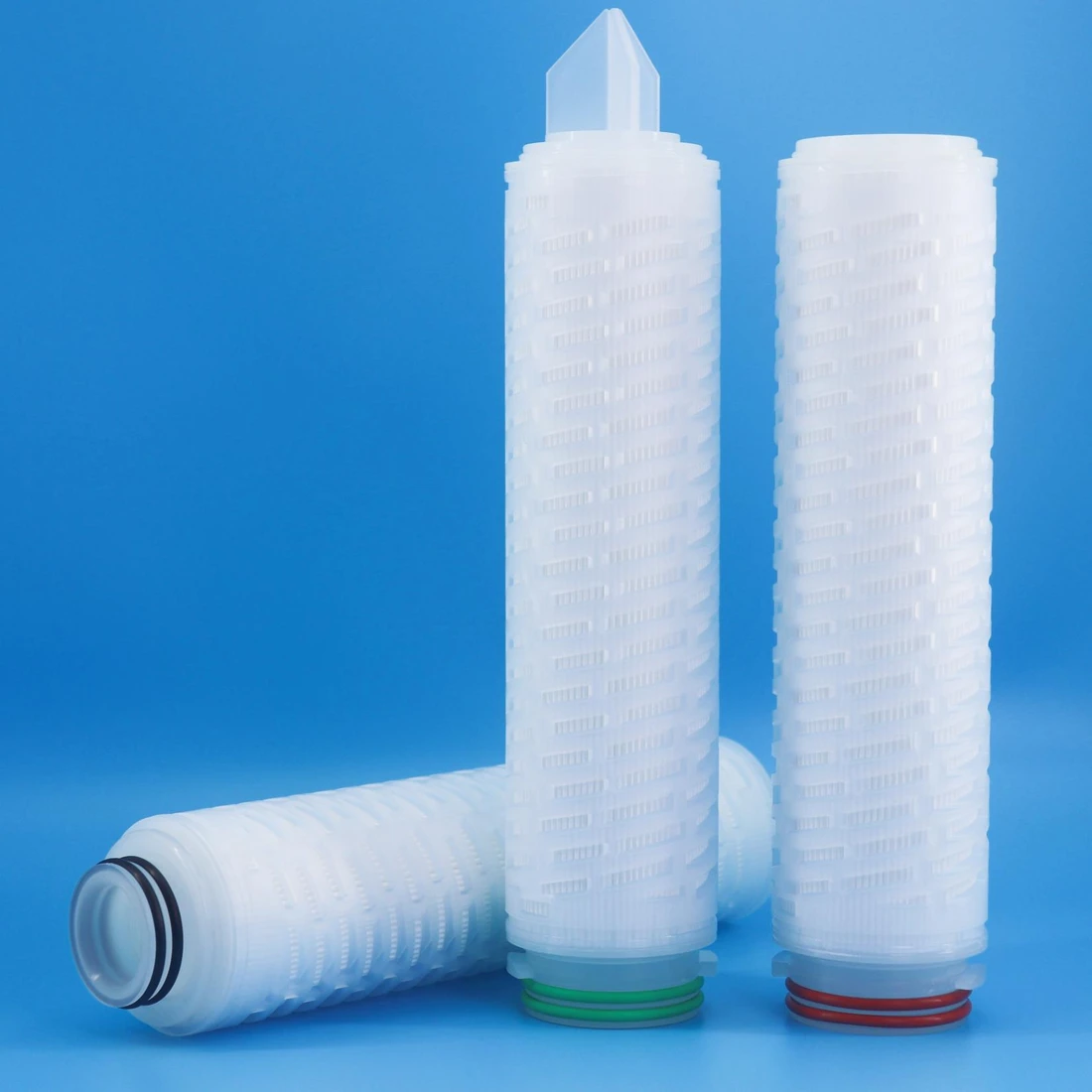
Evaluate agglomerate control alongside useful abrasive retention, rather than selecting by nominal rating alone.